
A Bullion Buyer's Guide: How to Spot Real vs. Fake Gold in Dubai
In the shimmering city of Dubai, a global hub for gold trading, the allure of buying gold bullion in Dubai is undeniable. Whether you’re a seasoned investor or a first-time buyer, the prospect of acquiring this precious metal is exciting. But with a market as vast as Dubai’s, how can you be sure you’re getting the real deal and not a cleverly crafted counterfeit?
The risk of encountering fake bullion is real, and it can be a costly mistake. I’ve spent years navigating the labyrinthine souks and modern bullion dealers of Dubai, and I’ve learned a thing or two about what to look for. This guide is my personal account and a culmination of my experiences, designed to equip you with the knowledge to buy with confidence.
The First Line of Defense: Understanding the Market
Dubai’s gold market is renowned for its transparency and strict regulations, but that doesn’t mean you can let your guard down. The government, through the Dubai Municipality and the Dubai Gold and Jewellery Group, has implemented stringent quality control measures. All gold sold in the emirate must be hallmarked, a crucial indicator of its purity. However, a small, unregulated market for counterfeit goods exists, and it’s essential to be aware of the signs.
The Hallmark: Your Purity Passport
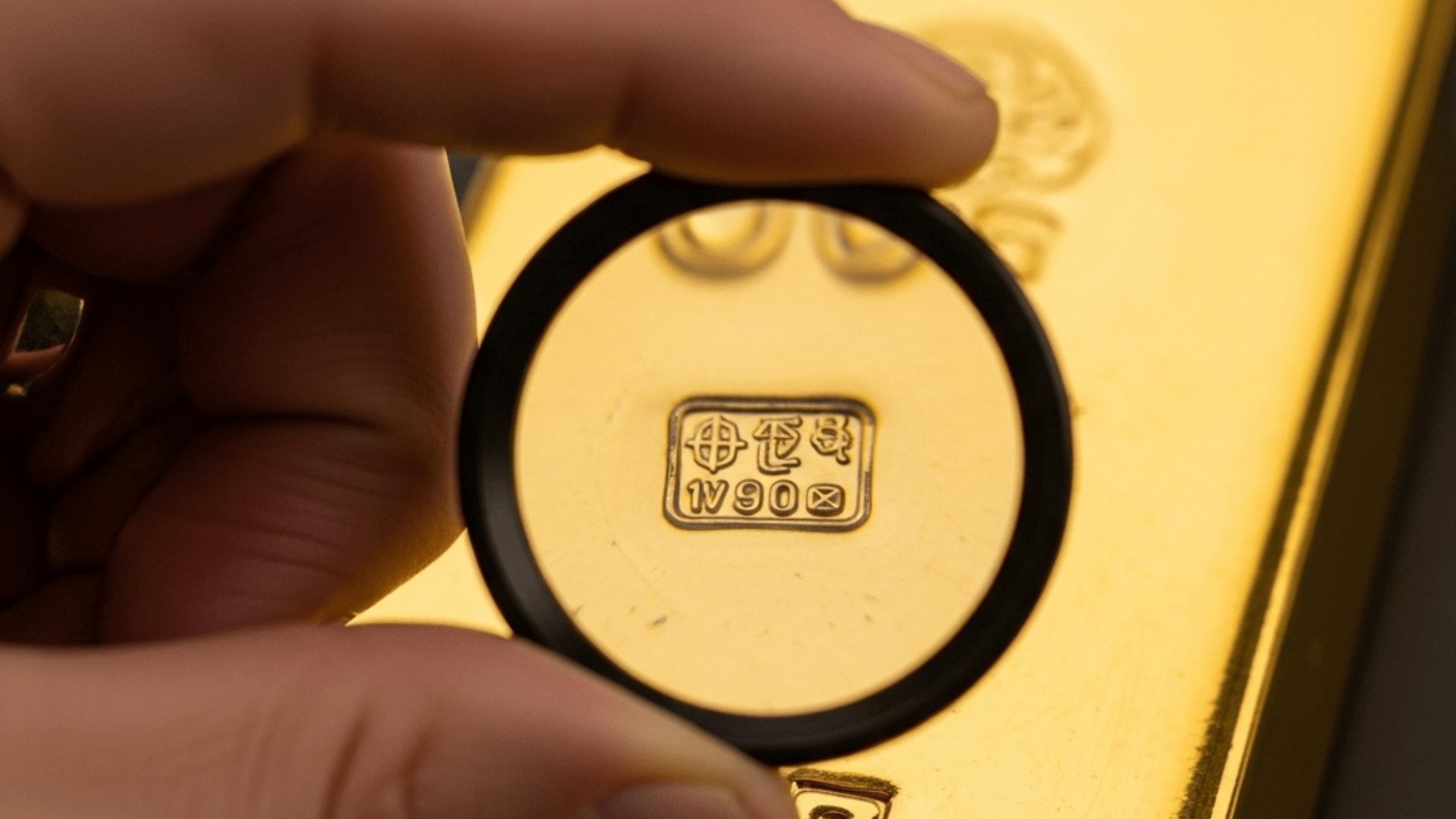
The hallmark is the most critical feature to look for. It’s a stamp or a series of stamps on the gold bullion that signifies its purity, the manufacturer, and the year of assay. In Dubai, the most common hallmark is the fineness mark, which indicates the purity in parts per thousand. For example, a 999.9 stamp means the gold is 99.99% pure, also known as 24-karat gold.
Pro Tip: Always check for a reputable assay office’s stamp. Popular ones include those from the Emirates Gold or the DM (Dubai Municipality) assay. The presence of a clear, crisp hallmark from a known entity is a strong indicator of authenticity.
Hands-On Inspection: The Physical & Sensory Tests
While the hallmark is a great starting point, a true expert knows that a hands-on inspection is non-negotiable. Fake gold can have a seemingly perfect hallmark, so you need to go beyond the surface.
1. The Magnet Test: A Simple Science Experiment
Gold is a non-ferromagnetic metal. This means it should not be attracted to a magnet. If you hold a strong magnet near the bullion and it shows any attraction, it’s a massive red flag. This simple test can quickly expose a counterfeit made from a cheaper, magnetic metal like iron or nickel and then plated with gold.
2. The Weight and Density Test: The Archimedes Principle
Gold is incredibly dense. This is a fundamental property that’s very difficult for counterfeiters to replicate. A genuine 1-ounce gold bar should have a specific weight and volume. If a bar looks the same size but feels significantly lighter or heavier than expected, it’s likely a fake.
You can perform a simple density test using water. This involves measuring the object’s weight in air and then in water to calculate its density. The density of pure gold is approximately 19.32 g/cm³. Any significant deviation from this number is a major sign of a fake.
Quick Guide to the Water Test:
- Weigh the gold bullion precisely.
- Place a container of water on a digital scale and zero it out.
- Suspend the bullion in the water (without letting it touch the bottom or sides) and note the new weight.
- Divide the dry weight by the suspended weight. The result should be very close to 19.32.
3. The Visual and Auditory Inspection: A Keen Eye and Ear
Genuine gold bullion, especially bars and coins, often has a distinct, rich color. Counterfeits may appear too brassy or have a slightly off-color tone. Look for imperfections in the stamping, such as blurred lines or uneven lettering, which can suggest a low-quality counterfeit.
An even more subtle test is the “ping test.” When you gently tap a gold coin or bar with a metal object, it should produce a high-pitched, sustained ringing sound, often referred to as a “ping.” Fakes, made of cheaper alloys, will produce a duller, shorter thud. This test requires some practice to master, but once you’ve heard the sound of real gold, it’s hard to forget.
Going Deeper: Expert and Technical Analysis
If you’re making a significant investment, relying solely on your own tests isn’t enough. It’s wise to get an expert opinion or use more advanced technology.
1. The X-Ray Fluorescence (XRF) Analyzer
This is the gold standard for non-destructive gold testing. An XRF analyzer uses X-rays to determine the exact elemental composition of a metal object. It can tell you the precise percentage of gold, silver, copper, and any other alloys present. Most reputable gold dealers in Dubai have an XRF machine and will be happy to test the bullion for you.
2. The Ultrasonic Test
This technique involves sending high-frequency sound waves through the bullion. The way these waves travel through the metal can reveal inconsistencies in the internal structure, such as a different core material. This is particularly effective for detecting tungsten-filled fakes, as tungsten has a very similar density to gold but a different ultrasonic signature.
3. The Electrical Conductivity Test
Gold has a very specific electrical conductivity. A professional device can measure this property without damaging the bullion. Because different metals have different conductivities, this test can quickly identify if the bullion is made of a different metal, even if it has a similar density.
Unique Insights abou Gold Bullion in Dubai
Based on my experiences, here are some key takeaways and unique angles that will give you an edge.
Buy from Reputable Dealers: This is the most important advice. Stick to well-known bullion dealers like Himmath Gold that are part of the Dubai Gold and Jewellery Group. These establishments are audited and have a reputation to protect.
Don’t Be Pressured: The souks can be high-pressure environments. Take your time, ask questions, and never rush a decision. If a deal feels too good to be true, it almost always is.
Insist on a Certificate of Authenticity: Reputable dealers will provide a certificate of authenticity with your purchase. This document details the bullion’s weight, purity, and serial number. Keep this certificate safe, as it is crucial for reselling the gold later.
Investing in gold is a wise decision, but it’s one that requires diligence. By following this guide, you can confidently navigate the gold market in Dubai and ensure your investment is both beautiful and genuine. Now that you’re equipped with the right knowledge, go forth and buy your gold with assurance.
For more in-depth analysis on gold investment strategies, consider subscribing to our newsletter.